Table of contents
Airports change, neighborhoods gentrify, and even your own patience for crowds shifts, yet the pull of a “favorite place” can feel strangely fixed in time. Revisiting a destination years later is less about ticking the same sights and more about testing memory against reality, in a world reshaped by overtourism, inflation, and post-pandemic travel habits. What do you keep, what do you lose, and what do you discover when the city you loved has kept moving without you?
Memory is loyal, cities are not
You remember the smell of the bakery, the corner where you got lost, the view that made you stop mid-sentence, and you expect the place to hold still for you, as if a destination were a photograph you could step back into. Then you arrive and the first surprise is often banal: a new metro exit, a chain store where a family shop used to be, a pedestrianized street that used to be chaos. The shock is not always disappointment, it is dissonance, and it happens because our travel memories are edited highlights, built around emotion, weather, and who we were with, not around a faithful map of the city.
Researchers have long described how nostalgia can amplify the positive and blur the inconvenient, and travel is especially vulnerable to that effect because a trip compresses life into a handful of vivid scenes. Add time, and the mind finishes the story on its own. The city, meanwhile, has had years of construction plans, rent hikes, demographic shifts, and policy decisions, and the gap between “then” and “now” is often visible in the storefronts. In many popular destinations, short-term rentals have altered residential streets, pushing up prices and thinning out local services, while big-name brands move into the gaps because they can afford the footfall. You don’t need a spreadsheet to feel it, you hear it in the language mix on the street, you see it in the menus translated for global tastes, and you sense it in the pace of people moving with suitcases where there used to be commuters.
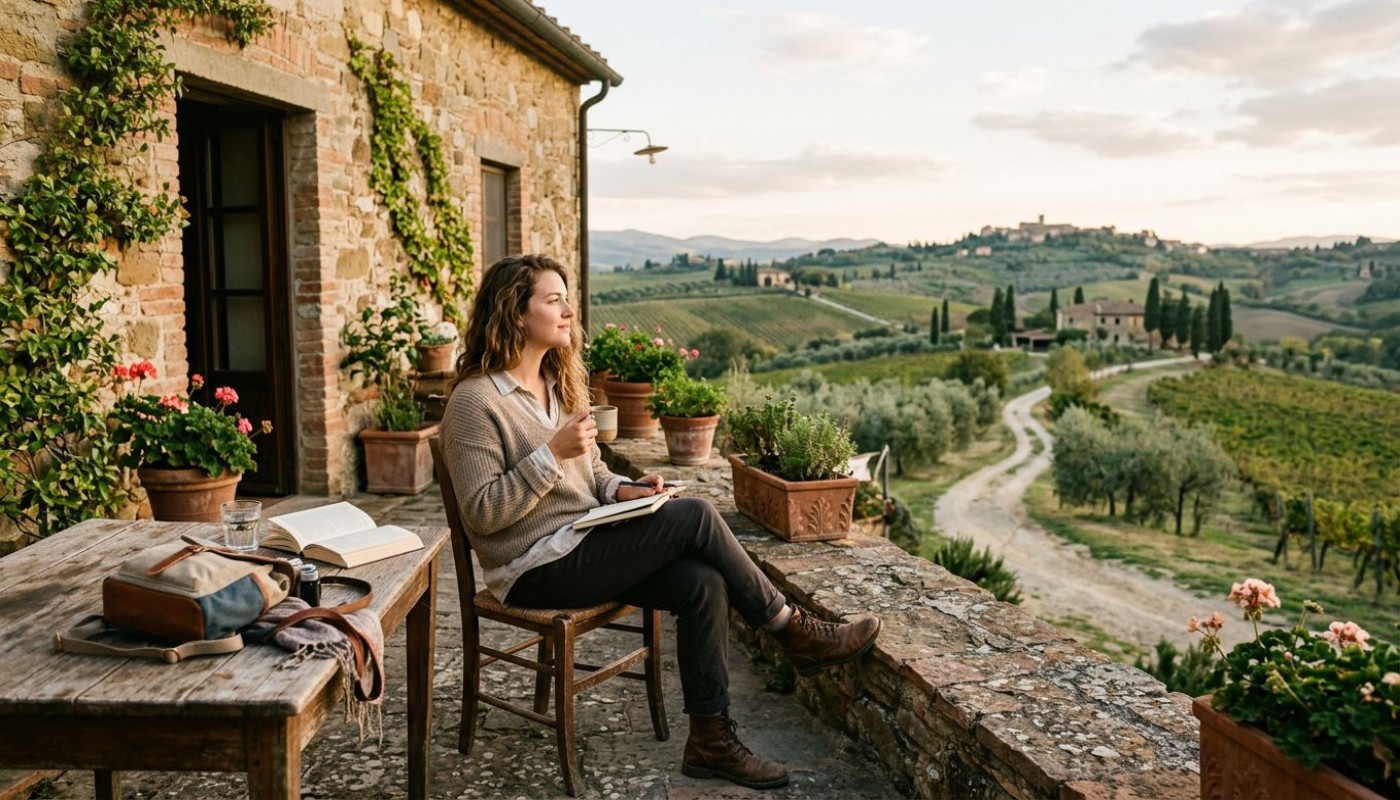
There is also the quieter change that travelers forget to factor in: you. A decade is enough for a different sleep schedule, different joints, different priorities, and the revisited destination becomes a mirror, reflecting the distance between the person who once adored night markets and the person who now craves a calm breakfast and a walk. The city did not betray the memory, it simply refused to freeze, and the traveler who understands that tends to enjoy the return more, because they stop demanding a re-enactment and start looking for continuity in smaller things: the same river curve at dusk, the same local ritual at a shrine, the same way light hits old stone after rain.
The second visit exposes the new pressures
Can you still afford “your” favorite café? That question lands harder now because travel has become more expensive in ways that are not always intuitive, and a return trip can feel like an audit. Airfares have remained volatile since the pandemic, and even when tickets drop, on-the-ground costs can sting: accommodation is often the big one, driven by high demand, limited supply in historic centers, and competition between hotels and short-term rentals. Dining prices have climbed in many cities too, pushed by energy costs, labor shortages, and supply chain fluctuations, and suddenly the casual meal you remember becomes a considered purchase.
Overtourism, once a seasonal nuisance, has become a structural feature in several landmark cities, and the second visit makes that obvious because you have a baseline for comparison. Some destinations have responded with policy tools that used to sound extreme, from tourist taxes to caps on cruise ships and restrictions on rentals, yet implementation varies and the crowd pressure often migrates rather than disappears. You feel it when timed-entry tickets become standard, when once-empty alleys are now lined with selfie queues, and when “hidden gems” are no longer hidden because social media turned them into must-dos. Even if you are not chasing viral spots, you are sharing the same streets, and the friction can change your relationship to the place, especially if you loved it for a sense of intimacy that is harder to find.
Then there is the climate factor, which makes revisiting more unpredictable than it used to be. Heatwaves, heavier rains, wildfire smoke, and storm disruptions can reshape a season, and the return trip can collide with realities you didn’t consider when the first visit was blessed with perfect weather. Cities are adapting, adding shade corridors, cooling centers, and new drainage systems, while travelers adapt too, shifting shoulder seasons, booking refundable options, and packing for extremes. The destination you revisit is not only socially different, it can be physically different in how it feels on your skin, and those sensory details can either deepen the experience or unsettle it, depending on expectations.
Returning rewards the traveler who slows down
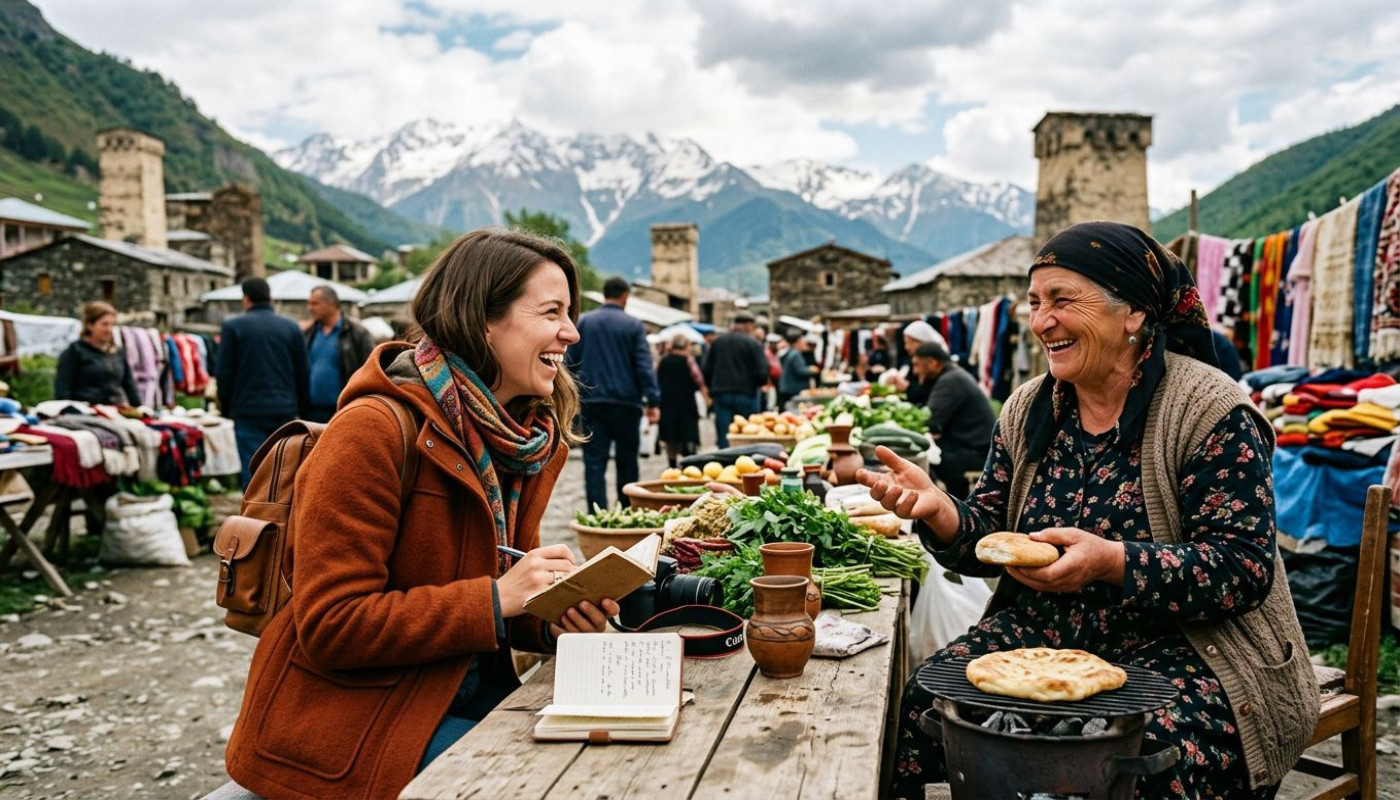
Here’s the paradox: the second trip is often better, but only if you accept that it should be smaller. On a first visit, you rush because you fear missing out, and you build a schedule that treats a city like a checklist. On a return, you can finally travel like a local, or at least like a person with less to prove. The payoff is not dramatic, it is layered, and it comes from noticing patterns you missed the first time, such as how commuters move at 8 a.m., what a neighborhood sounds like when schools let out, or which food stalls have lines that aren’t driven by guidebooks but by habit.
A slower return trip also changes how you interact with culture and history. Instead of sprinting through a museum, you can pick one wing and stay with it, reading labels, connecting dots, and letting the narrative land. Instead of collecting temples, you can revisit one at a different hour, compare morning light to twilight, and see how space works when it is used by worshippers rather than tourists. If you travel with children or older relatives, the second trip can become a multigenerational translation exercise, turning your own memories into stories, and discovering which parts of a place carry across ages and which were specific to your younger self.
Practical tools help you slow down, too, because ease buys time. Many travelers now blend old-fashioned wandering with smarter planning: advance reservations for a few high-demand sights, then leaving the rest deliberately open. In cities where cultural etiquette is nuanced, guided experiences can provide context without turning the day into a lecture, and when you want to shape a return visit around neighborhoods, seasonal events, and small-scale encounters, resources such as https://www.kyoto-spirit.com can help you map a stay that isn’t built solely around landmarks. The goal is not to “optimize” a destination, it is to reclaim time inside it, and that is often the difference between revisiting a place and truly re-meeting it.
How to make the repeat trip feel new
Want a simple test? Choose one element to keep and one to change. Keeping something anchors the return, whether it is the same hotel neighborhood, the same morning walk, or the same viewpoint at sunset, and it gives you a direct comparison that can be surprisingly moving. Changing something, meanwhile, forces novelty: travel at a different season, take a different rail line, stay farther from the center, or explore the city through a single theme, such as contemporary architecture, craft workshops, jazz bars, gardens, bookstores, or street food. The combination creates a trip that honors the first visit without being trapped by it.
It also helps to plan around rhythms rather than sights. Cities reveal themselves in sequences: early deliveries, lunch crowds, after-work gatherings, weekend markets, and late-night cleanup. If you build a return itinerary around those rhythms, you encounter places when they function, not just when they are photographed. You can also lean into micro-geography, picking one district per day and walking it deeply, which reduces transit fatigue and increases the chance of accidental discoveries, the moments that feel most like travel “used to feel.” If crowds were the pain point, the fix can be as strategic as reserving the most popular sites for early morning, shifting to parks and residential streets at peak hours, and saving indoor cultural visits for midday heat or rain.
Budgeting is another lever that changes the emotional tone of a return. When prices rise, travelers often respond by cutting everything, but the smarter move can be selective splurging: spend on one memorable meal, a specialized tour, or a craft experience, then keep the rest simple with convenience-store breakfasts, public transport passes, and free public spaces. Finally, give yourself permission to mourn what changed, because that sadness can be part of the trip, and it can sharpen your appreciation for what endured. The best repeat trips are not reenactments, they are conversations across time, and the traveler who listens rather than insists tends to leave with a richer, more honest affection.
Planning notes before you book
Reserve a few high-demand tickets early, then keep breathing room, and if prices look inflated, compare shoulder-season dates and refundable rates. Set a daily budget that includes local transport and small extras, and check whether city passes, tourist taxes, or regional rail deals apply. Look up any available cultural or mobility discounts, because many museums and networks offer them.
Similar